
Am I Broken? You’re Not A Toaster, You Don’t Need Fixing
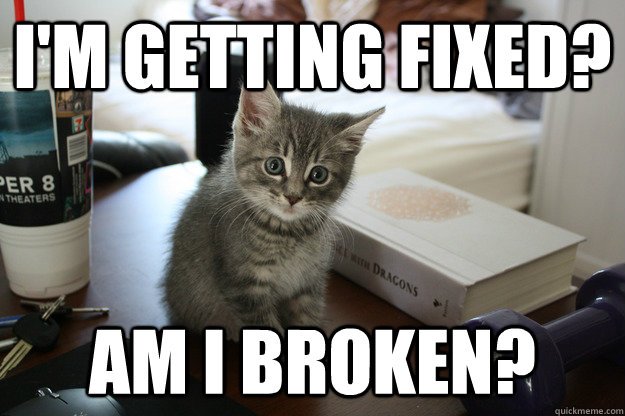
Asking “Am I broken?” is one of the heaviest questions a person can ask themselves.
You look at your life, career, or relationships, and you feel fundamentally flawed. Everyone around you seems to have it figured out. They’re updating their LinkedIn profiles, hiking the Magaliesberg on Sundays, and ordering air fryers on TakeALot (and then using and cleaning it?!).
Meanwhile, you’re treading water, feeling lost, and wondering where you were when they were handing out adulting instruction manuals.
I’m going to stop you right there. You’re a complex, dynamic human being, not a toaster. You don’t short-circuit, have faulty wiring, and you definitely don’t need fixing.
When you ask “Am I broken?” you’re reacting to real stress. Your feelings are valid. The exhaustion is real. But your diagnosis is wrong.
You’re not broken. I promise.
Why “Am I Broken?” Is the Wrong Question
Human beings have an incredible capacity for self-criticism. When we experience emotional burnout or hit a wall, our brains look for the path of least resistance to explain the discomfort.
Ironically, saying you’re broken is comforting. If you’re broken, it is out of your hands.
Asking why do I feel fundamentally flawed assumes there’s a baseline version of you that’s permanently damaged. But according to the American Psychological Association, prolonged stress and cognitive overload fundamentally alter how we process information.
You’re not broken; your operating system is simply overloaded.
When you label yourself as broken, you invite shame. Shame paralyses you. It keeps you on the couch. To move forward, we need to shift the vocabulary.

Am I Broken Or Just Stuck? The Vital Difference
Language dictates reality. There’s a massive difference between being broken and being stuck.
Broken implies permanence. It implies that essential parts are missing or shattered beyond repair. It suggests that without external intervention to bolt you back together, you’re hopeless. Being broken takes your power and makes you the victim in your story.
Stuck implies a temporary state. A 4×4 stuck in the mud is not a broken car. The engine still works. The steering is fine. It simply lacks the right traction and leverage to move forward.
So, am I broken or just stuck?
You’re stuck. Being stuck is a symptom of outgrowing your current environment, mindset, or habits. Being stuck has a solution. Most importantly, being stuck gives you your power back.
Why You Might Feel Like You’re Fundamentally Flawed
High-functioning individuals across the world are under immense pressure. We balance demanding careers, complex social expectations, horror news stories, and a fast-paced environment.
When you feel fundamentally flawed, it doesn’t magically happen overnight. It’s the result of compounding factors.
Unconscious Patterns Of Self-Sabotage
- You keep choosing unavailable partners.
- You procrastinate on projects you care about.
- You say yes when you mean no, then resent everyone for asking.
Behavioural patterns form through repetition of habits, and when your brain has been conditioned to respond in certain ways, those responses become automatic.
You’re not fundamentally flawed. You’ve just been practising the wrong habits for a really long time.
Emotional Burnout
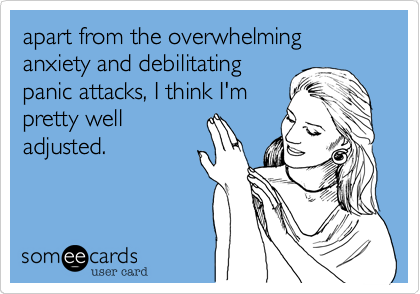
You’ve been running on fumes for months (or years). You’re exhausted from maintaining the appearance of having it together while feeling empty inside.
Depressive rumination, repetitive negative thought cycles, actually changes brain activity patterns and makes it harder to break free. This is what happens when you’ve been operating in survival mode for too long.
Chronic Exhaustion
The American Psychological Association notes that chronic stress impacts the prefrontal cortex, the area of the brain responsible for decision-making.
When overloaded, your brain defaults to self-preservation. It shuts down non-essential functions, making you feel flat, detached, and defective.
Outdated Life Scripts
We all operate on scripts we learned in our past. These are the rules we use to get through situations and navigate life. But whether you’re 28, 45, or 60, those scripts eventually expire.
The coping mechanisms that protected you through your younger years stop working as you grow and mature. You feel flawed because you’re using the wrong tools for your current stage of life.
Decision Overload
Adult life requires constant micro-decisions. What to eat, how to answer a email, which route to take to get home during peak traffic.
Over time, this leads to cognitive overload. When your brain is tired, it stops processing effectively. This isn’t brokenness; it’s a full hard drive.
The Weight Of Unmet Expectations
You thought you’d be further along by now. Different job, different body, different relationship status, different bank balance.
The gap between where you are and where you thought you’d be feels like evidence of something wrong with you. Plot twist: the expectation is the problem, not you.
Comparison Fatigue
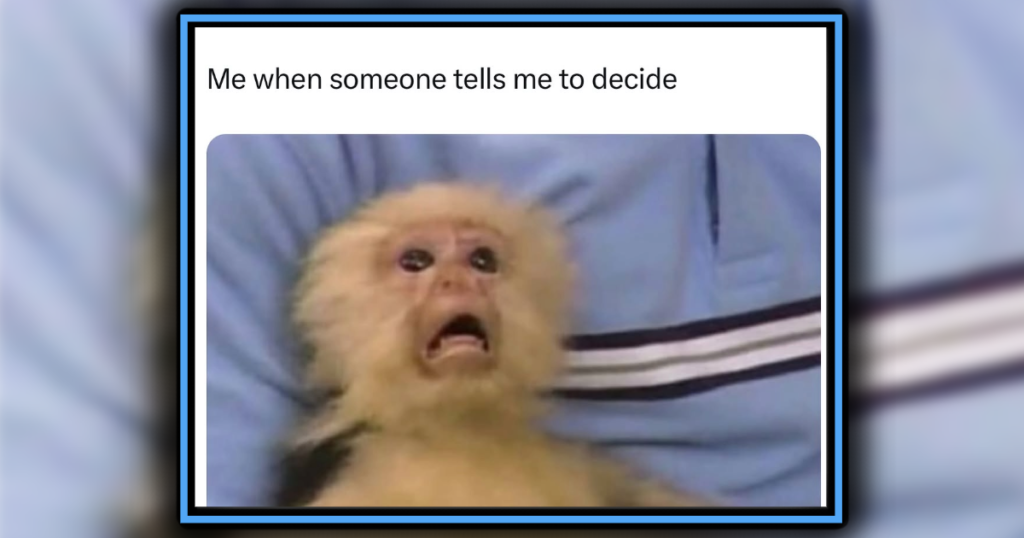
Everyone seems to have their life sorted. Your BF just got promoted, your cousin just bought a house, and your sibling’s purebred furball just had puppies/kittens. Meanwhile, you can barely decide what to have for dinner without spiralling into an existential crisis.
Cognitive-emotive loops create repeating patterns where thoughts produce feelings that fuel more thoughts, intensifying the cycle.
You’re not broken. You’re trapped in a mental loop that keeps confirming what you’re afraid is true.
Feeling Lost And Directionless
You wake up, go through the motions, and wonder what’s the point. You’re functioning, but not living. You’re surviving, but not thriving.
This vague sense of purposelessness feels like proof that something is fundamentally wrong with you. It’s not. Feeling lost just means you haven’t found your direction yet. That’s a navigation problem, not a design flaw.
You’re not flawed. You’re experiencing the natural response to too much.
Signs You Are Stuck
How do you know the difference? Look for these signs that you’re spinning your wheels.
- You feel like your real life is on hold.
- You know what you should do, but you can’t make yourself do it.
- You repeat the same patterns despite knowing they hurt you.
- You feel exhausted even when you haven’t done much.
- You compare yourself to everyone and always come up short.
- You overthink everything and make decisions based on fear.
- You feel like you’re watching your life happen rather than living it.
- You’re functioning on the surface but feel empty underneath.
- You sabotage good things because you don’t believe you deserve them.
If you’re nodding along, you’re stuck. And stuck can be unstucked.
Important to Note
If you’re experiencing persistent hopelessness, severe anxiety, or thoughts of self-harm, this goes beyond feeling stuck. These are serious medical conditions.
Reach out to a licensed therapist or contact the South African Depression and Anxiety Group (SADAG) immediately.
If you have feelings of self-harm or suicide, help is always available.
- Call the South African Suicide Crisis Helpline: 0800 567 567
- Call the Cipla Mental Health Helpline: 0800 456 789 OR SMS: 31393
These are toll-free and available 24/7.
For international resources visit Befrienders Worldwide or the International Association for Suicide Prevention.
Taking care of your mental health is the most important action you can take.
The Science Behind Feeling Stuck
Self-sabotage is the biggest reason capable people ask, “Am I broken?” You set a goal to get fit, save money, or change jobs. You do well for a week, and then you completely blow it up.
This isn’t a defect. It’s science. Your brain is wired for safety, not success.
Research from Psychology Today shows that self-sabotage is a subconscious defence mechanism. Change, even good change, registers in the brain as a threat because it’s unfamiliar and uncomfortable.
If you try your absolute hardest to change your life and still fail, the psychological pain is massive. Your brain doesn’t want that pain. So, it chooses the safe, predictable pain of staying stuck over the unpredictable risk of moving forward.
You’re not self-destructing because you’re broken. You’re doing it because your brain is trying to keep you safe, even if it’s in the most unhelpful way possible.
How to Rebuild When You Feel Broken
If you aren’t broken, you don’t need a mechanic. But you feel stuck, so you need unstucking. You need a strategist.
Here’s how to rebuild when you feel depleted, using practical steps, not wishful thinking.
1. Thank Yourself (Seriously)
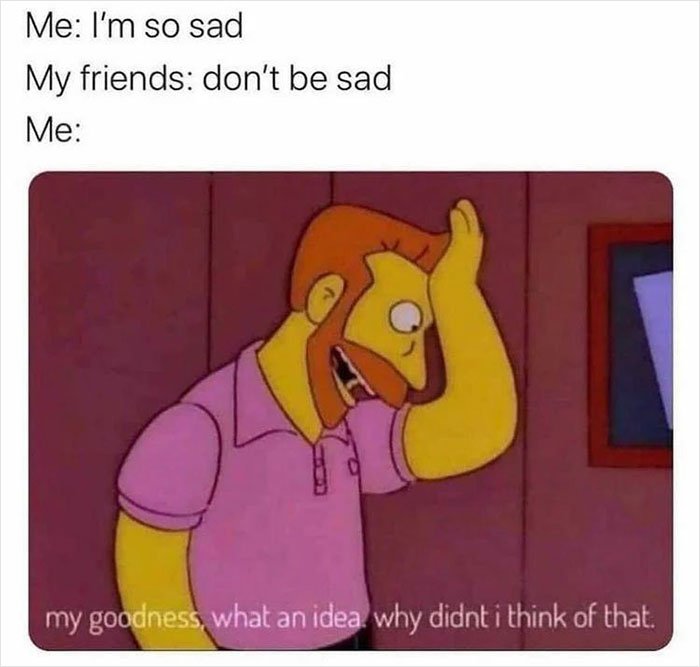
This is not the power of positive-thinking stuff, but a critical psychological step. Thank your past self for the defence mechanisms that protected you during hard times.
That perfectionism? It helped you pass your exams. That emotional wall? It protected you from being hurt. It did a great job of keeping you safe, but these methods aren’t useful anymore.
Acknowledge that the tools served a purpose. Thank them and yourself. Then, consciously decide to take the wheel because you don’t need them for the next phase.
Remember, you’re not fighting yourself. You’re updating your operating system. The old version got you here. The new version will take you forward.
2. Audit Your Energy, Not Your Time
Time management is useless if you’re experiencing emotional burnout. Track what drains and what gives you energy.
If specific tasks, scrolling on social media, or certain interactions leave you feeling hollow and drained, you need strict boundaries around them.
Energy is your currency. Protect it.
3. Name the Specific Friction
Write down exactly where you’re stuck. Is it your career ceiling? Your health? A specific relationship dynamic?
Vague anxiety breeds the “Am I broken” mindset. Specific problems have specific solutions. Once you name the monster, you shrink it.
4. Lower the Bar (Temporarily)
Perfectionism is procrastination in a nice suit. Stop trying to overhaul your entire life by Monday morning. Pick one small, manageable habit to change today. Drink a glass of water before your coffee. Do one push-up.
Momentum is built through micro-wins, not massive leaps.
5. Get Support (Because Going Solo Gets Exhausting)
Trying to see your own blind spots is like trying to read the label from inside the jar. Working with a professional life coach gives you accountability, perspective, and tools to help you see patterns you’ve been too close to notice.
A coach partners with you to identify where you’re stuck and co-create strategies to get moving again. Not because you’re broken, but because you’re ready to unstuck.
How Life Coaching Helps When You Feel Lost
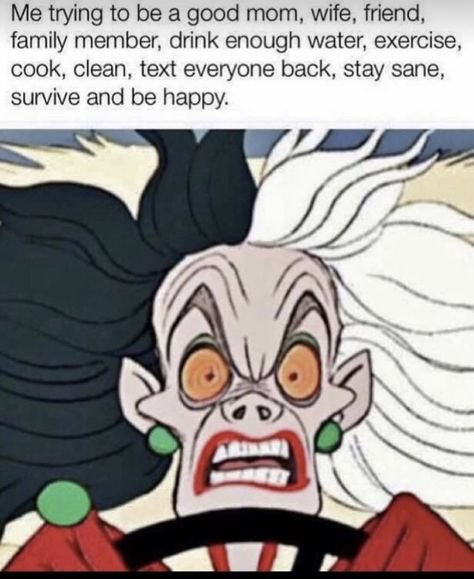
When you ask, “Am I broken?,” the last thing you need is someone giving you generic advice to “be positive.” You need a clear process to organise your thoughts.
This is the exact purpose of life coaching. Coaching is not about fixing you. It’s focused on facilitating the work to strip away the heavy, outdated stories you tell yourself so you can become lighter, brighter, and whole.
Through structured 1-on-1 coaching, we take apart those feelings of being lost. We examine the corporate reality you live in and the personal goals you have, and we bridge the gap.
We help you find your traction in a safe environment. And, we always move at a pace you’re comfortable with.
If you prefer a community approach, group coaching provides a confidential space to meet others feeling the same way.
The goal isn’t to change who you are, but to help you live at your highest level.
FAQs About Feeling Broken Or Lost
Am I broken or is this depression?
It is normal to feel down when you’re stuck. However, if this feeling is accompanied by a chronic inability to function, a complete loss of interest in life, and persistent sadness, you may be experiencing depression.
Coaching handles the strategy of getting unstuck, while clinical depression requires the support of a medical professional.
If you’re unsure, start with a conversation. A good coach will refer you to a therapist if needed.
How do I stop the unconscious patterns of self-sabotage?
You stop them by bringing them into the light. Track your triggers. When do you reach for the distraction? When do you cancel plans? Once you see the pattern, you can interrupt it with a new choice.
Can life coaching really help with self-sabotage?
Yes, because self-sabotage isn’t random. It’s a pattern. Life coaching helps you identify the unconscious patterns driving your behaviour and create new strategies to interrupt them. You’ll discover why parts of you act against your own interests and build new neural pathways that serve you better.
What if I’ve tried everything and I’m still stuck?
You’ve tried everything alone. That’s different from trying with support. Stuck patterns are hard to see and change while inside them.
A coach provides perspective you can’t access on your own, asks questions you haven’t thought to ask, and holds you accountable when your brain wants to slip back into familiar (but painful) routes.
You’re not failing. You’re trying to navigate without a map. It’s time to get a guide.
Is it normal to feel lost later in life?
Absolutely. We constantly transition through new phases. Feeling lost at 35, 45, or 55 is a signal that your current environment no longer matches your internal growth. It’s a sign that it’s time to write the next chapter, not a sign that you have failed the exam of life.
How do I know if I need a life coach?
Coaching is for people who are functioning but frustrated. If you feel like you’re driving with the handbrake on, a coach provides the objective framework to release it and help you gain momentum.
A New Perspective
You’re exhausted. Overwhelmed. Running old software in a new phase of life.
But you are not broken.
You don’t need to be fixed. You need to be understood, challenged, and guided back to your inherent strength. Stop analysing the problem in isolation and start taking strategic action.

Please Keep in Mind
The content on this blog is for informational and inspirational purposes only. It is not life coaching, nor is it therapy or a substitute for professional mental health care. A blog post can’t replace the personalised support and deep exploration that happens in a confidential coaching session.
Please use this space as a resource for reflection. If you’re facing significant challenges and feel you need dedicated support, reach out to a qualified professional.